Common resinous builds
- 100% solids epoxy systems
- Urethane and polyaspartic topcoats
- Full-broadcast quartz or flake systems
- Urethane-cement systems for demanding service
- High-build and specialty coating systems
Diamond installs epoxy, urethane, polyaspartic, broadcast, urethane-cement and specialty resinous systems for commercial and industrial environments where preparation, chemistry, texture and schedule have to match the actual use.
Industrial resinous flooring is a system of substrate preparation, primer, build coat, broadcast or reinforcement where required, texture and topcoat. The right combination depends on what the floor will actually experience.
Traffic, thermal cycling, chemicals, sanitation, slip resistance, UV exposure, downtime, existing contamination and moisture all influence system selection. We want those requirements understood before material is ordered and crews mobilize.
Review the floor scope before mobilization →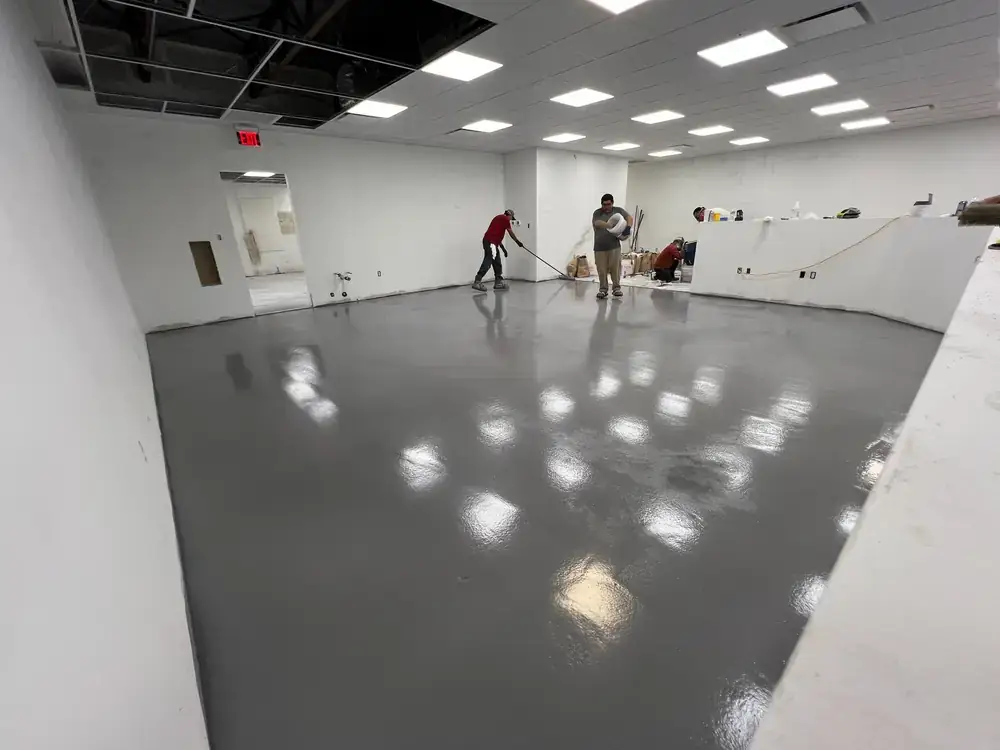
The product name matters less than whether the full system fits the substrate, operating environment and owner expectations.
Resinous failures often start below the visible finish. Weak concrete, contamination, incompatible existing materials, moisture conditions, cracks, poor edge details or inadequate profile can compromise even a premium coating system.
Diamond treats mechanical preparation and repair as part of the flooring system—not as a line item to minimize after material selection.
Industrial facilities rarely have unlimited access. Shutdown windows, cure times, equipment movement, phased turnover and adjacent operations can dictate how a resinous floor must be built and installed. We work through those constraints before the crew is standing at the door.
Review Your Project →Real Diamond project photography showing installation and finished-floor environments.
Preparation, mixing and placement coordinated across an active project area.
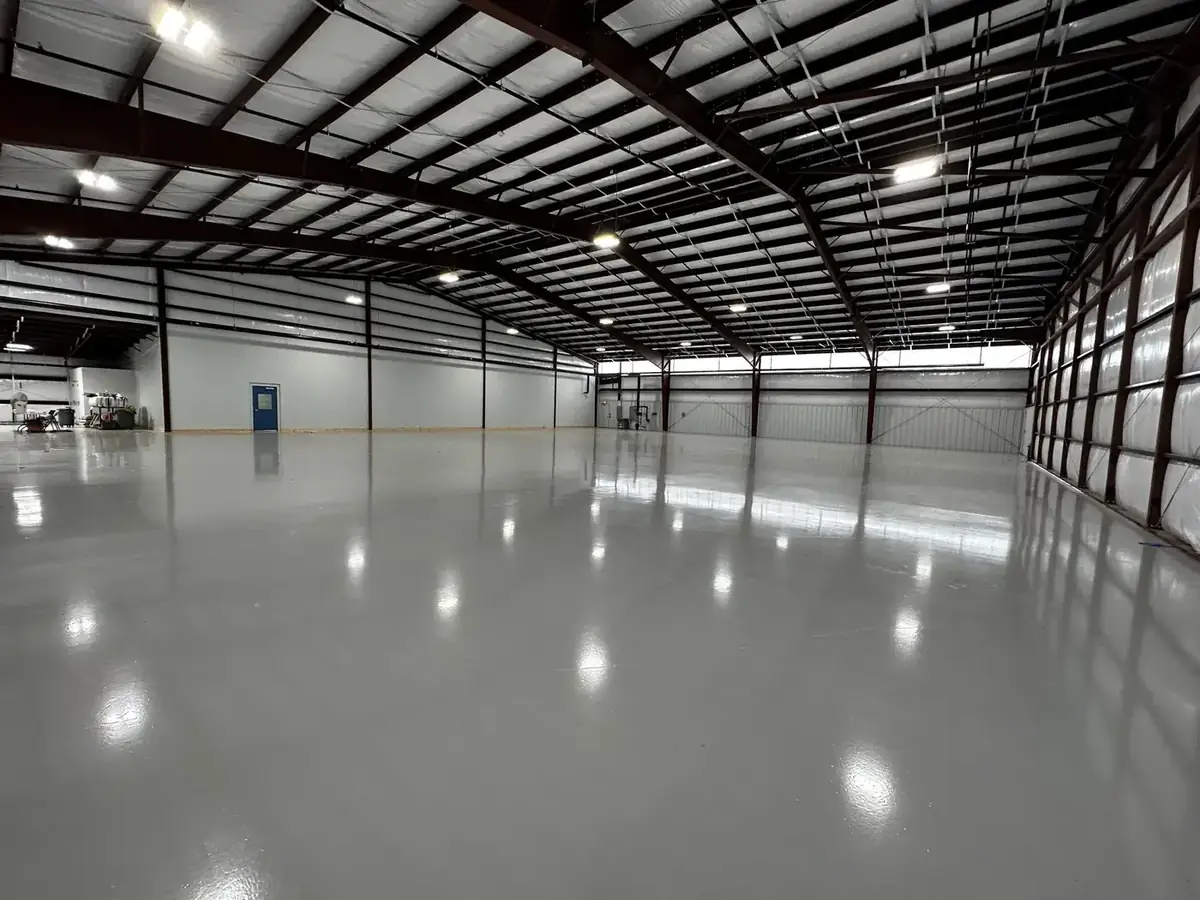
High-build seamless flooring installed across an expansive service environment.
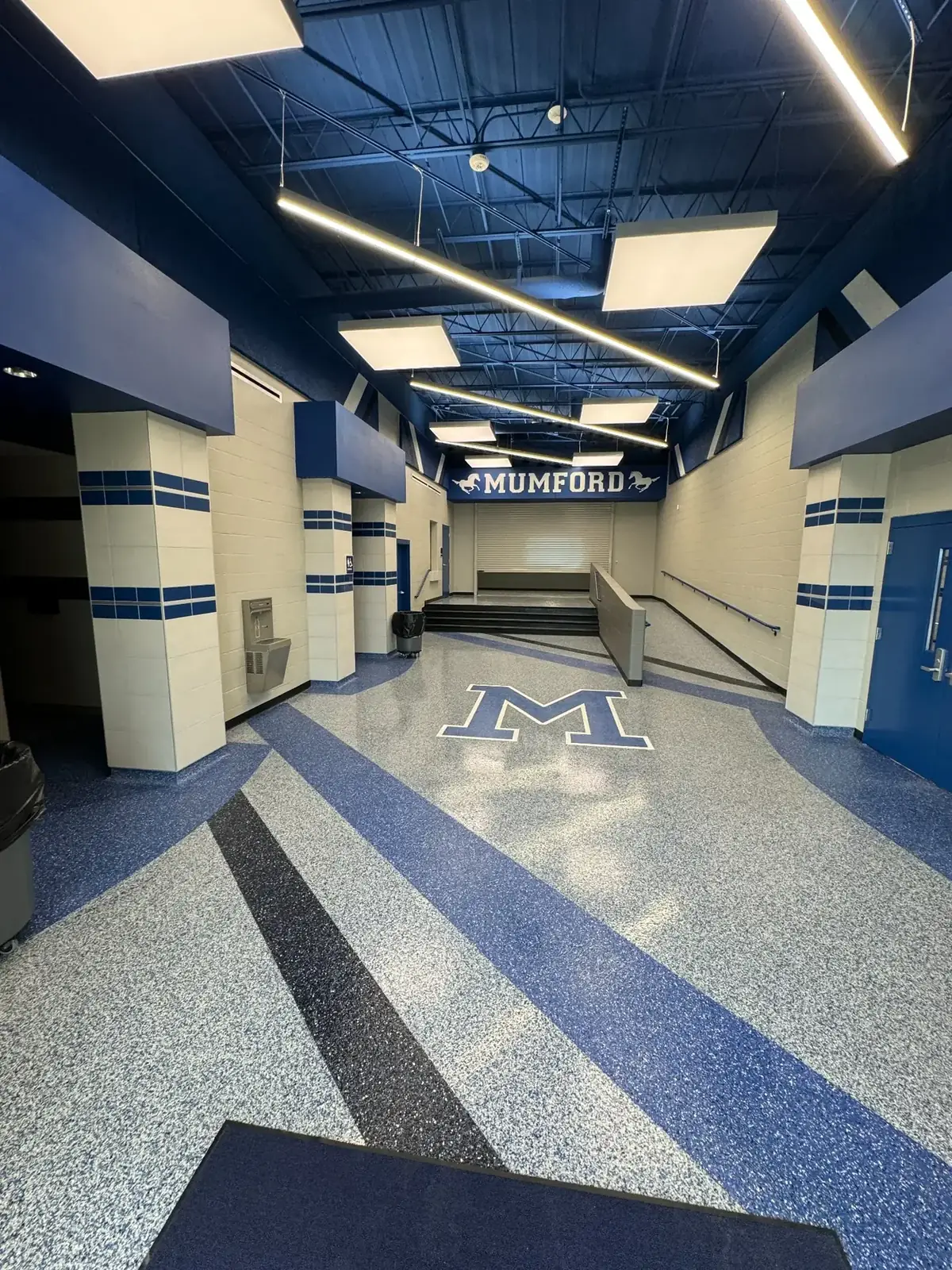
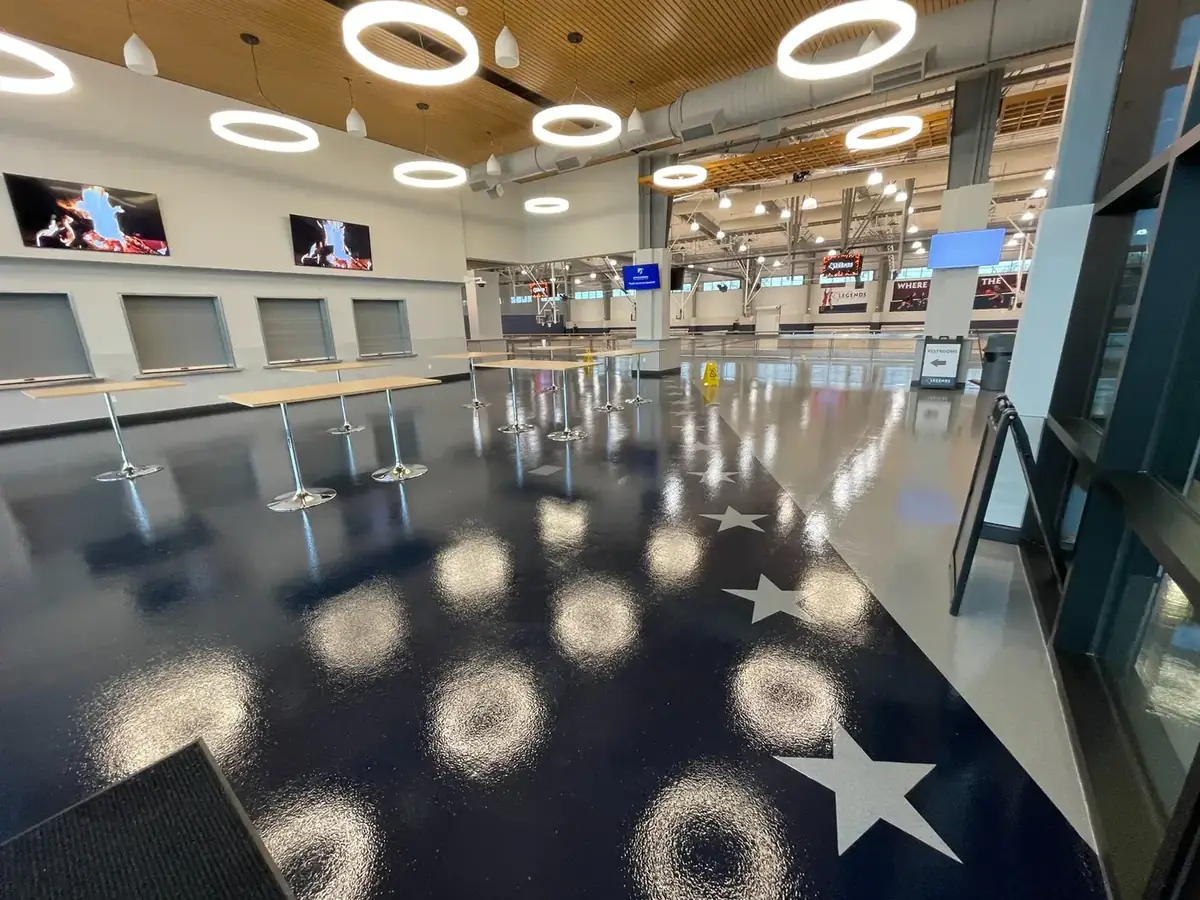
Durable multi-color resinous flooring used in a public-facing high-traffic space.
System selection should follow the operating requirements—not the other way around.
We start with service conditions: traffic, chemical exposure, thermal cycling, sanitation, texture, substrate condition and shutdown constraints. Different chemistries solve different problems, and many complete systems use more than one material type.
Sometimes, but the existing system has to be evaluated for adhesion, contamination, compatibility and overall condition. Removal and re-profiling may be the better long-term path when the existing floor is compromised.
Very. Moisture conditions can affect adhesion and system suitability. The correct response depends on the slab, environment, specification and selected flooring system.
Yes, where the project can be safely sequenced. We plan around access, phasing, cure times and turnover requirements so the installation approach matches the facility schedule.
Upload plans and specs or share the bid-package link. We’ll review the system and execution requirements.