Concrete and floor systems
- Commercial / industrial polished concrete
- Surface preparation and slab remediation
- Joint filling, edge repair and crack coordination
- Resinous flooring and specialty coating systems
- ESD / conductive flooring where specified

Diamond supports data-center and mission-critical construction with polished concrete, slab remediation, surface preparation, joint systems, resinous flooring, specialty ESD scopes where specified, and coordinated floor protection.
Data-center slabs are influenced by construction sequence, equipment layouts, penetrations, joints, cure methods, lifts, temporary protection, rack and equipment traffic, housekeeping requirements and turnover milestones. By the time the finish contractor mobilizes, many of the decisions that control the final result may already have been made.
Diamond approaches the scope as a field execution problem first: understand the slab, understand the specification, understand the schedule, then identify what has to be resolved before production starts.
See how we review floor risk →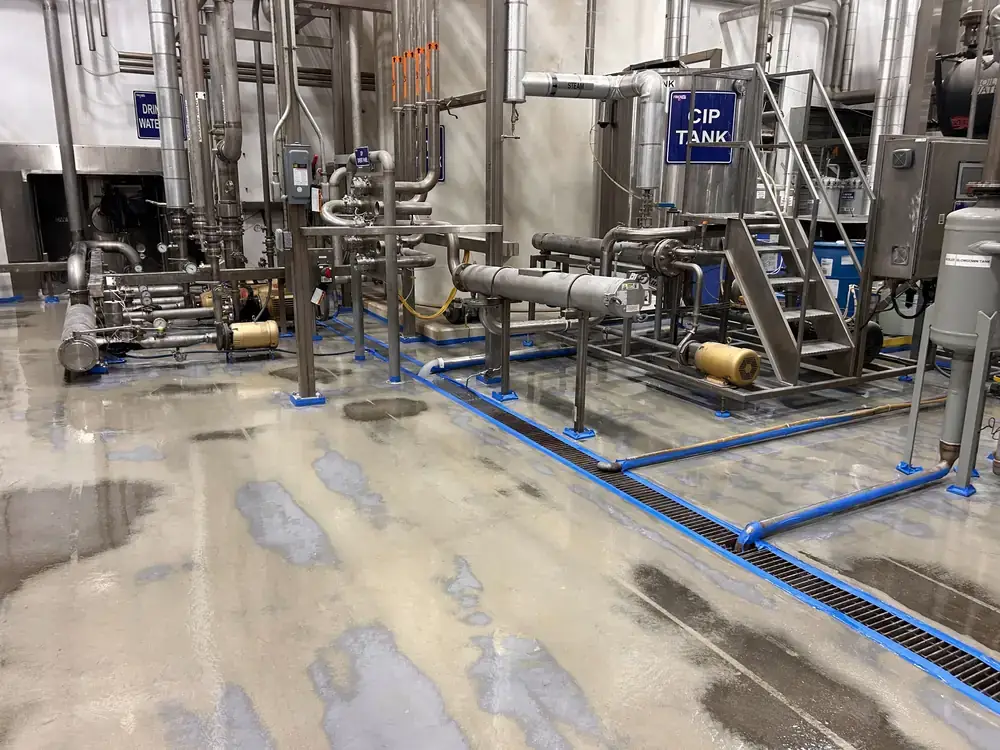
The exact system depends on the design intent and room use. Diamond can support the project where polished, coated, repaired or specialty-controlled floors intersect.
Construction traffic, cure products, layout markings, spills, patch materials, damaged joints and previous coatings can change the floor scope after bid day. On mission-critical work, discovering those conditions during a tight turnover window can put pressure on both schedule and quality.
We prefer early condition review and clear responsibility boundaries so the GC knows what is included, what needs correction, and what may affect the finished result.
Diamond can review plans, flooring specifications and project constraints before mobilization. The goal is not to complicate the scope—it is to identify conflicts while there is still time to solve them.
Send Plans for Review →Large open slabs may be designed around polished or sealed concrete, while specialty rooms can require resinous, static-control or other protective systems. The project benefits when those scopes are coordinated rather than treated as unrelated finish packages.
Where ESD flooring is specified, grounding details, system requirements and acceptance testing should be clarified with the manufacturer, designer and project team before installation. Diamond treats those requirements as part of the technical scope—not a generic coating substitution.
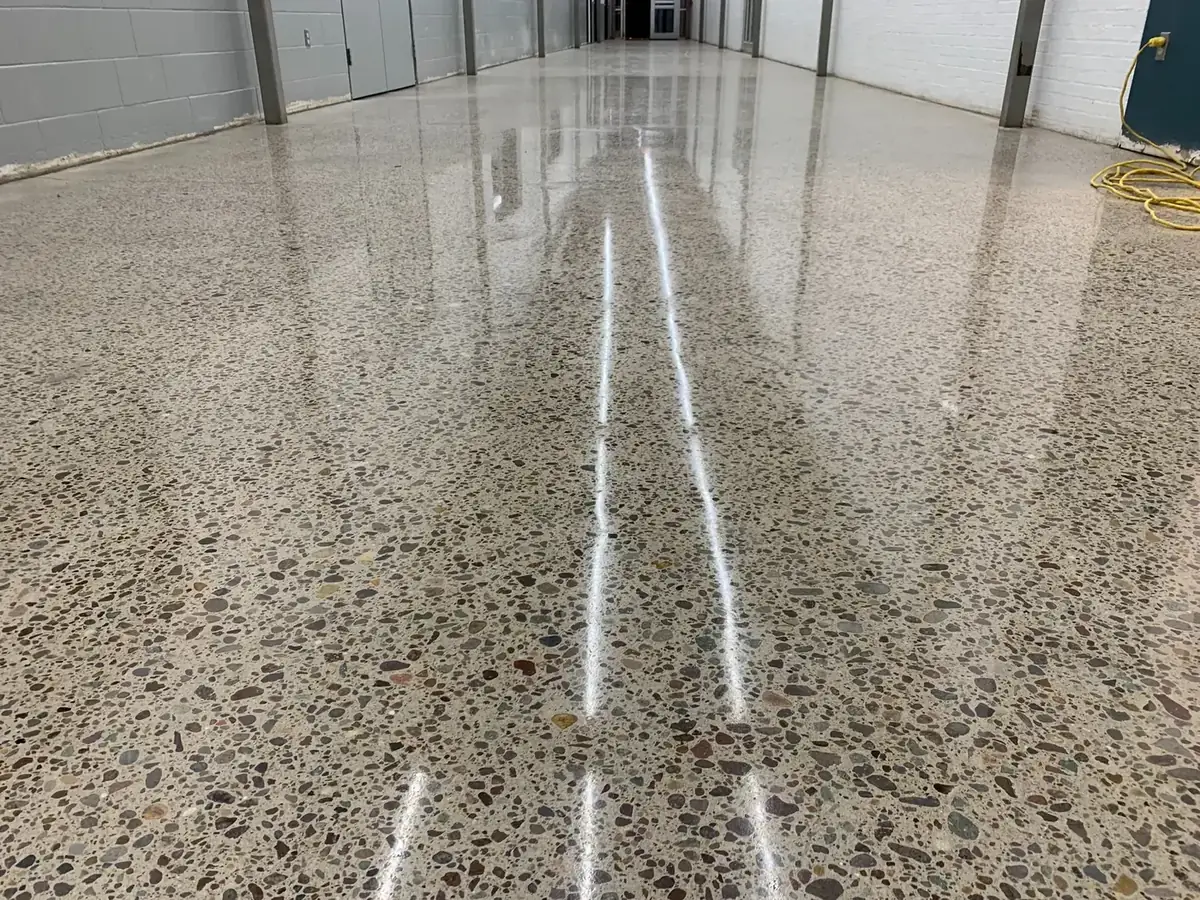
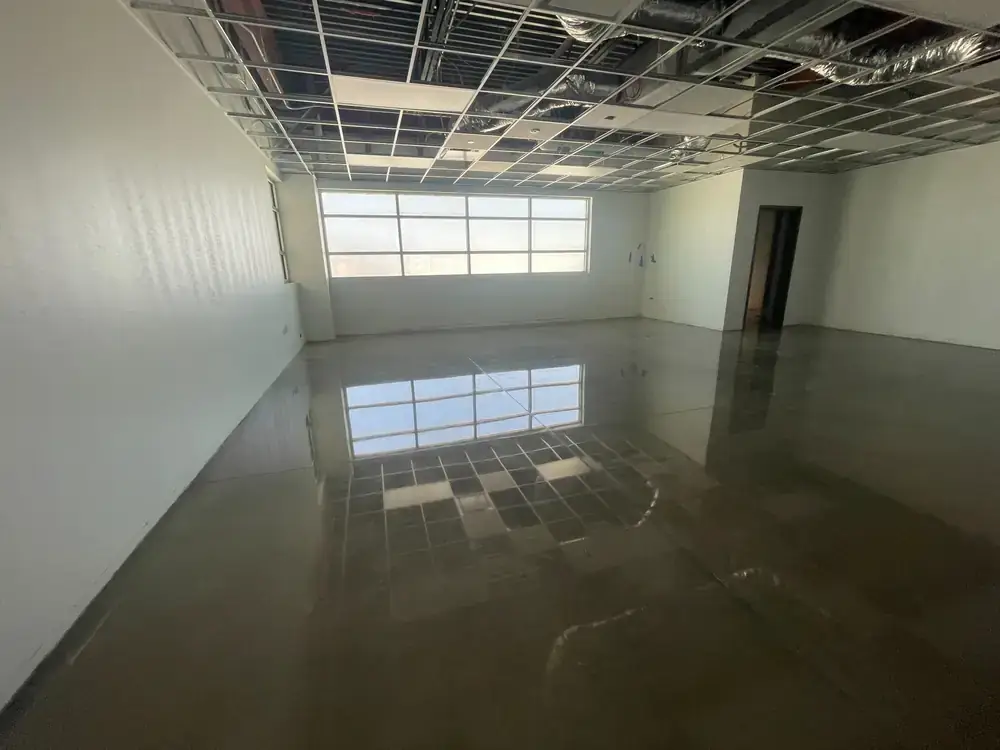
These images are from Diamond work and illustrate polished-concrete finish, prep and field-execution disciplines relevant to mission-critical flooring. They are not presented as data-center project photography unless specifically identified.
Polished-concrete finish work showing the refinement and appearance discipline applicable to large technical projects.
Surface correction and floor readiness work coordinated around an active industrial environment.
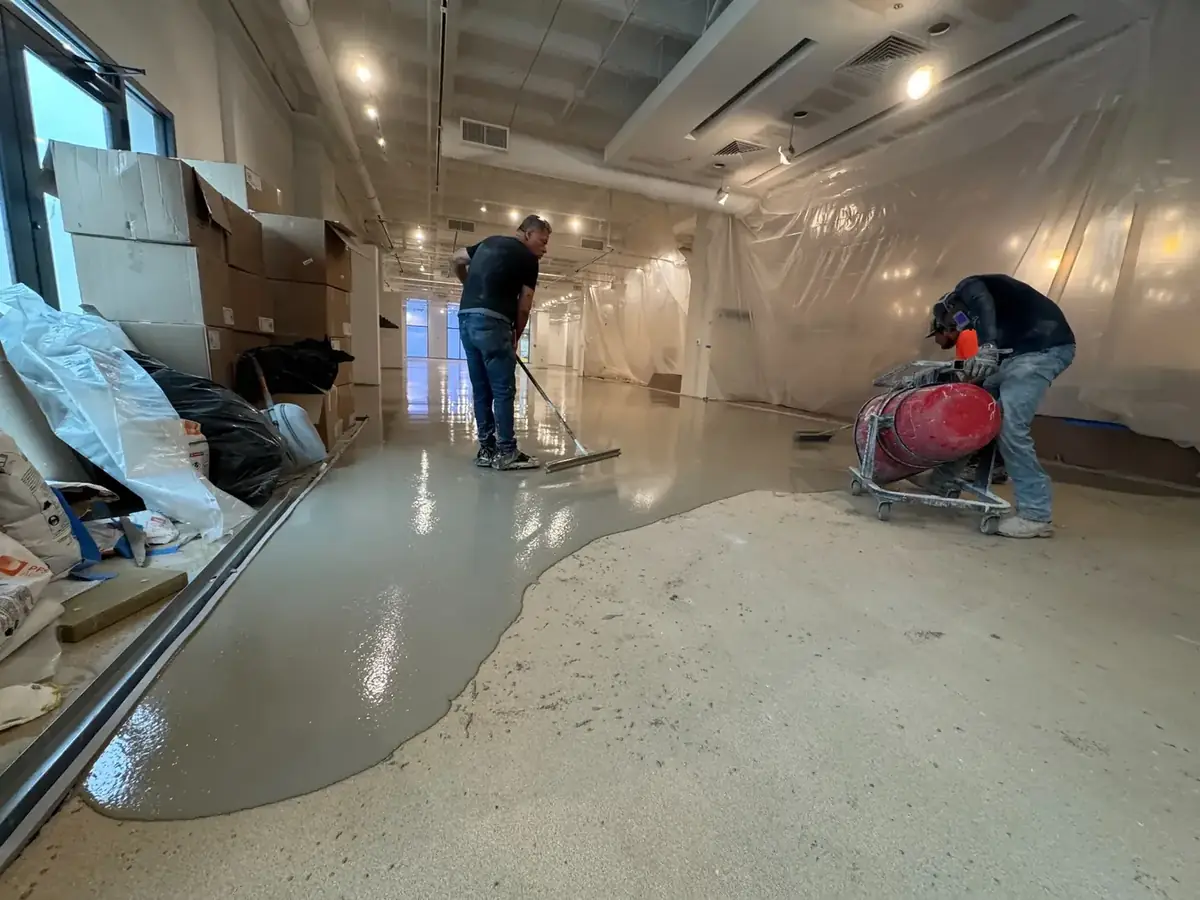
Crew-driven production where sequence, safety and turnover are part of the scope.
The best answer comes from the project documents and room requirements, but these are common preconstruction questions.
Before the slab and finish requirements become locked whenever possible. Early review gives the team time to address cure methods, joint scope, protection, remediation and acceptance criteria before turnover pressure increases.
No. Requirements vary by design, room use and owner standards. ESD or conductive flooring should be installed where the specification requires it, with the grounding and testing criteria clearly defined.
Yes. Diamond is headquartered in Texas and selectively mobilizes nationally for qualified mission-critical projects where scope, schedule and project scale justify the deployment.
That is one of the advantages of Diamond’s approach. Coordinating related floor scopes can reduce gaps between preparation, repair, polished concrete, resinous systems and specialty finishes.
Upload the bid package or share the project link. We’ll review the floor scope, system requirements and execution constraints.