Texas-Based Nationally Ready Commercial & Industrial Concrete Systems
832.924.3034info@diamondpolished.com
ESD / Static Control Flooring

Commercial ESD flooring contractor.

Static-control resinous flooring for technical environments where the installed system must coordinate with substrate condition, grounding requirements, electrical performance and documented acceptance criteria.

More than a colored epoxy floor

ESD performance has to be designed into the system.

Electrostatic-discharge flooring is a performance scope, not simply a finish selection. The resinous build, conductive or dissipative properties, grounding details, substrate preparation, moisture conditions and testing criteria must work together.

Diamond approaches ESD work by first understanding the specification and the environment the floor serves. That includes identifying how the system is intended to dissipate charge, how grounding is detailed, what resistance ranges are required and what party is responsible for final verification.

Start with the specification and field conditions →
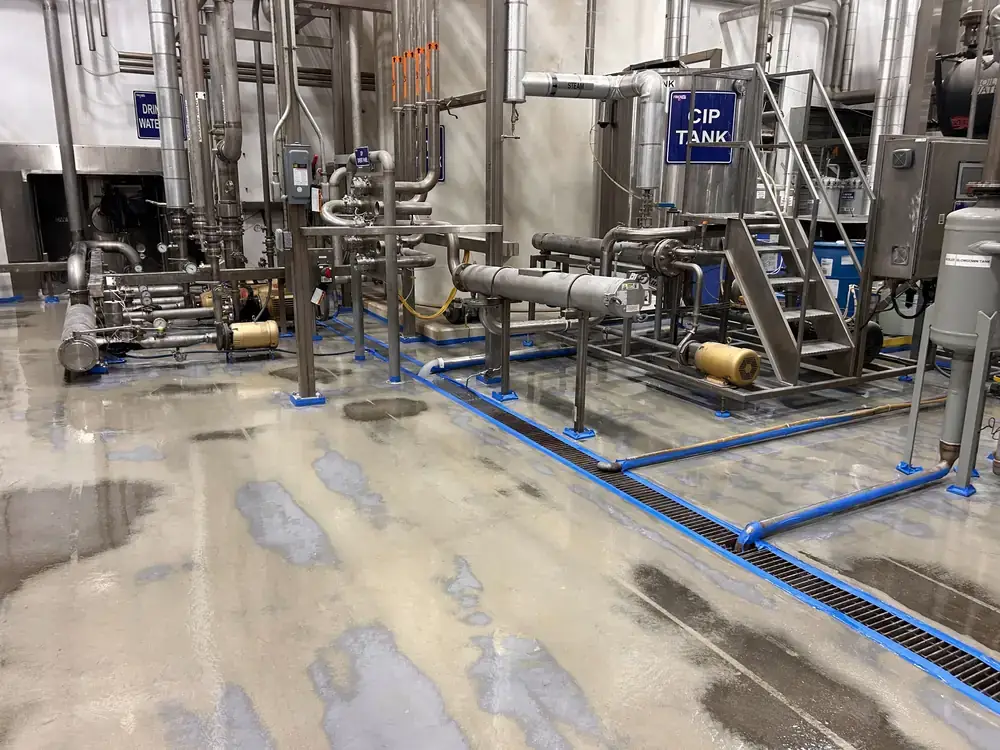
Commercial resinous floor representative of technical flooring installation
System scope

Coordinate the floor, the ground path, and the test.

Different manufacturers and specifications use different system builds and acceptance requirements. Diamond installs to the approved system and coordinates the surrounding conditions needed for a valid result.

ESD floor installation

  • Conductive and static-dissipative resinous systems
  • Primer, body coat and specified topcoat assemblies
  • Grounding-strip and grounding-point coordination
  • Broadcast or smooth-finish systems as specified
  • Transitions, terminations and detail work
Performance coordination

  • Substrate and moisture-condition review
  • Grounding layout responsibility clarification
  • Environmental-condition coordination
  • Testing / acceptance criteria review
  • Closeout documentation and corrective-work path
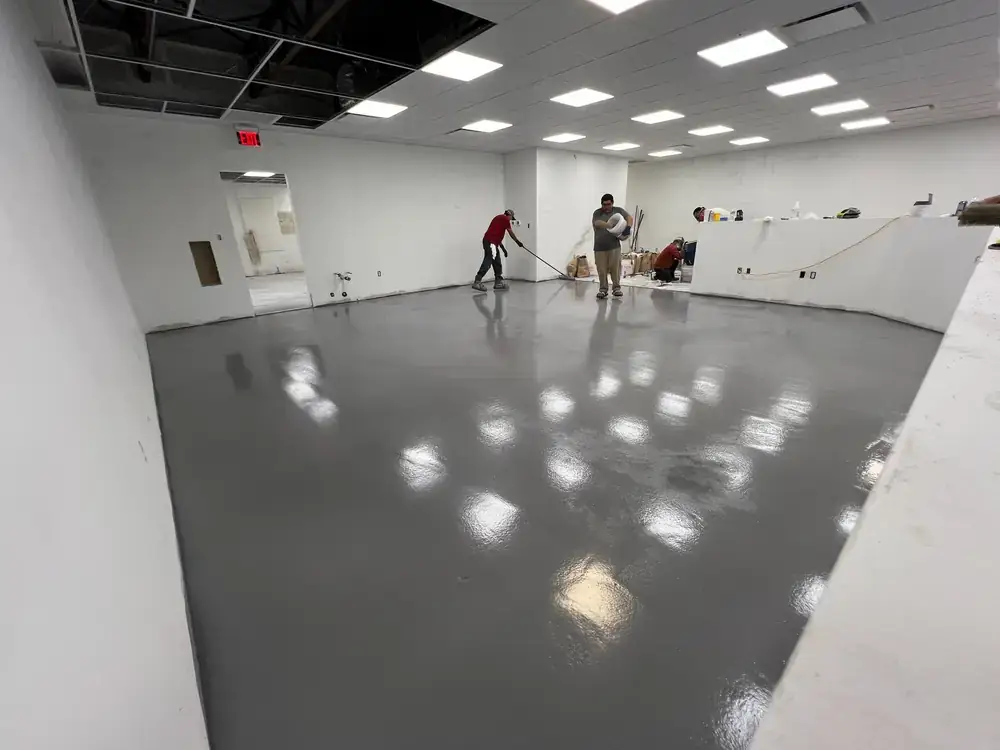
Crew installing a resinous flooring system on prepared concrete
Grounding details matter

Spacing alone is not the same thing as grounding.

Grounding strips or conductive elements are only useful when the specified floor system has a defined electrical path to the building grounding system. That is why ESD details should be reviewed with the manufacturer, electrical requirements and project team before installation begins.

The floor contractor should know where grounding points are expected, who provides the connection, whether grounding components remain visible, what spacing is required and who verifies the completed system. Ambiguity here can turn a technically sound installation into a closeout dispute.

  • Grounding-point locations and spacing
  • Connection responsibility to building ground
  • Visible versus concealed grounding details
  • Manufacturer-specific installation requirements
  • Testing sequence and corrective procedures
Performance acceptance

Define the test before the floor is installed.

Resistance-to-ground, point-to-point resistance and other project-specific criteria can be affected by the flooring system, testing method, environmental conditions and grounding configuration. Diamond wants those requirements clearly established before installation and turnover.

Review an ESD Scope →
ESD FLOORING RISK REVIEWItems to resolve before installation
  1. Approved system and resistance range
  2. Substrate profile / moisture condition
  3. Grounding locations and responsibilities
  4. Environmental conditions during installation
  5. Testing method and responsible testing party
  6. Acceptance / correction / closeout criteria
Technical installation

Resinous execution with performance in mind.

Current photography shows Diamond resinous installation capability. Project-specific ESD case-study imagery will replace representative images as the portfolio library is finalized.

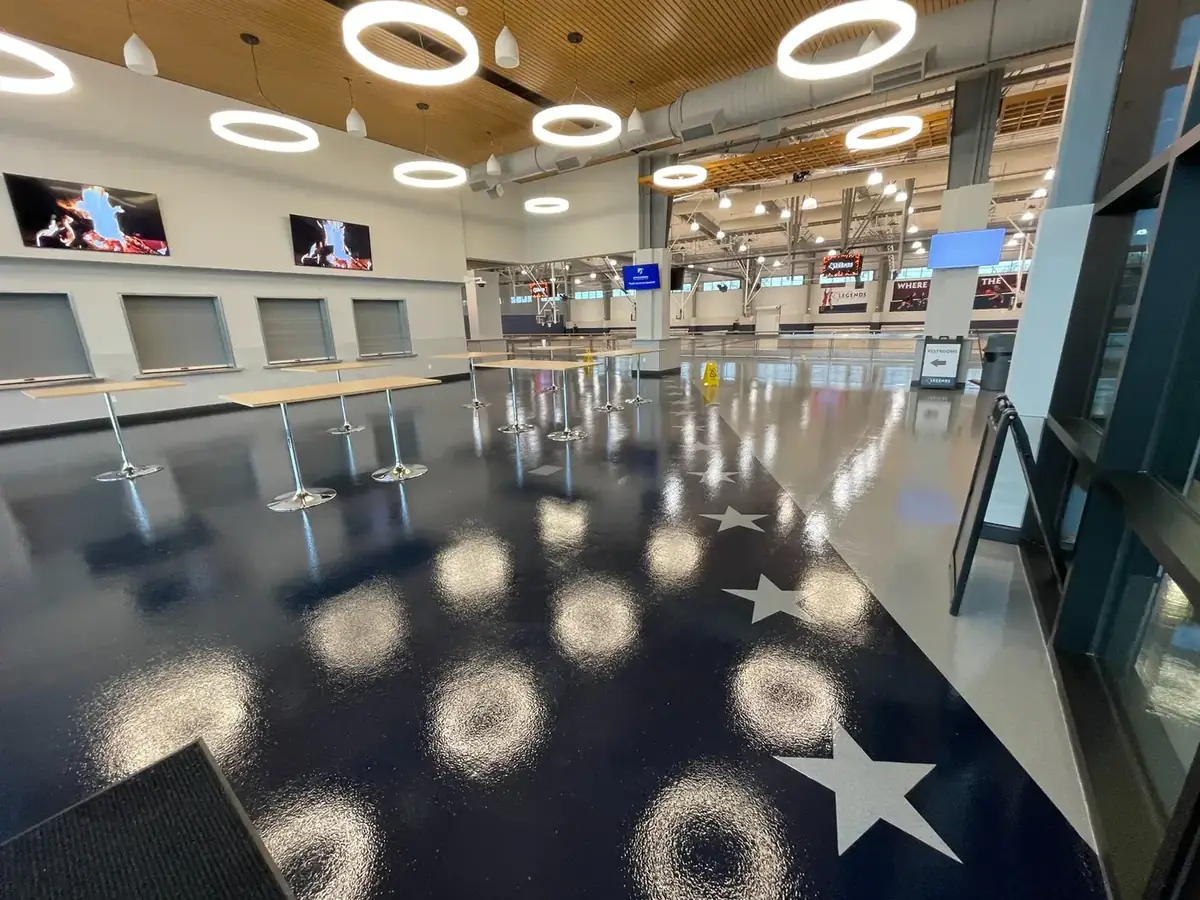
Finished commercial resinous flooring
Technical Resinous

Controlled finished surface

Commercial resinous finish representative of the installation discipline required for specialty floor systems.

Resinous flooring installation in progress
Installation

System build on prepared substrate

Resinous application where preparation, coverage and sequencing directly affect the completed floor.

Industrial floor preparation prior to specialty coating
Preparation

Substrate preparation first

Technical flooring still depends on a properly prepared, repaired and evaluated slab.

Buyer questions

ESD flooring FAQ.

ESD systems are specification-driven. These questions should be answered before a contractor is asked to guarantee electrical performance.

Does every grounding strip need to connect to building ground?

The grounding design is system-specific, but the floor must ultimately have the specified conductive path to ground. A spacing requirement by itself does not replace the need for a properly detailed grounding connection. The approved manufacturer detail and project electrical requirements should control.

Who performs final ESD testing?

That should be established in the contract documents. Testing may be performed by the flooring manufacturer, installer, consultant, owner or another qualified party depending on the project. Diamond wants the responsible party and test standard defined before installation.

Can ESD flooring be installed over existing coatings?

Only when the approved system and existing substrate conditions allow it. Existing coatings, contamination, bond strength, moisture and previous repairs must be evaluated before relying on the old surface as part of a performance floor.

Where does Diamond pursue ESD work?

We pursue ESD and static-control scopes in Texas and selectively nationwide for data centers, electronics, manufacturing, life-science and other technically demanding commercial environments.

Have an ESD specification?

Send the system, grounding detail, and testing requirements.

We’ll review the flooring scope, identify responsibility gaps and help establish the execution path before installation begins.

Discuss a Project →