Waterproofing / membrane scope
- Below-grade waterproofing systems
- Concrete membrane protection
- Crack / transition reinforcement as specified
- Vertical-to-horizontal detail coordination
- Termination and penetration detailing
Specialty concrete protection for pedestrian and vehicular decks, exposed slabs, below-grade conditions and related commercial scopes where preparation, movement, drainage and detailing control performance.
Waterproofing and traffic coating systems depend on more than the field-applied membrane. Cracks, joints, drains, penetrations, vertical transitions, terminations, curbs, edges and existing coatings can determine whether the completed system performs.
Diamond approaches these scopes by reviewing the substrate and detail conditions before production. Surface preparation, repair, approved primer and membrane build, reinforcement, texture and final protection should follow the project-specific system rather than a generic coating assumption.
Review the details before mobilization →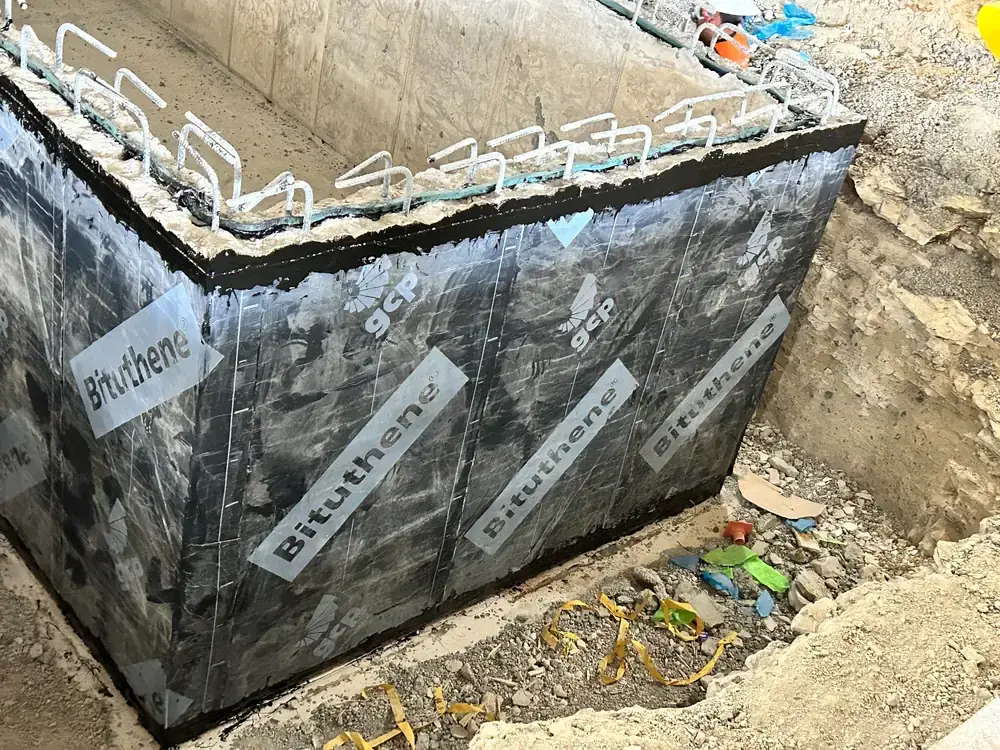
The correct build depends on whether the surface sees pedestrians, vehicles, weather, standing water, movement, chemicals or below-grade exposure.
Concrete moves, cracks and holds water. Decks also introduce drains, slopes, curbs, penetrations and transitions that create concentrated stress. The coating or membrane detail has to account for those conditions rather than bridging every joint or defect the same way.
Diamond coordinates repairs and preparation around the approved system details and wants movement joints, drainage and substrate defects identified before installation begins.
Scope gaps often occur where one material transitions to another or where waterproofing intersects with drains, walls, doors, expansion joints or other trades. Diamond wants those limits and details visible before production.
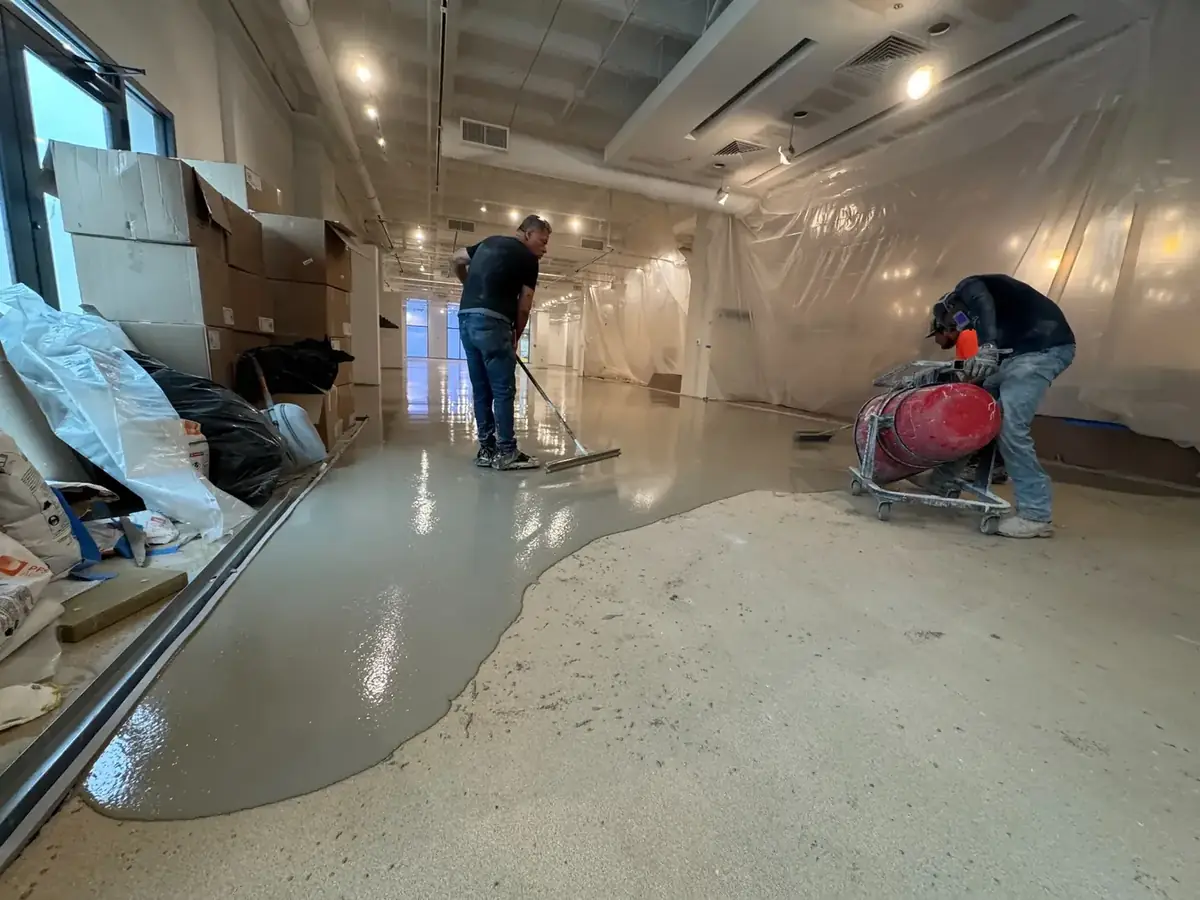
Review a Protection Scope →Real Diamond work showing specialty waterproofing, preparation and coating execution. Final project-specific case studies will refine the photo-to-scope pairing.
Membrane work coordinated around substrate and detail conditions.
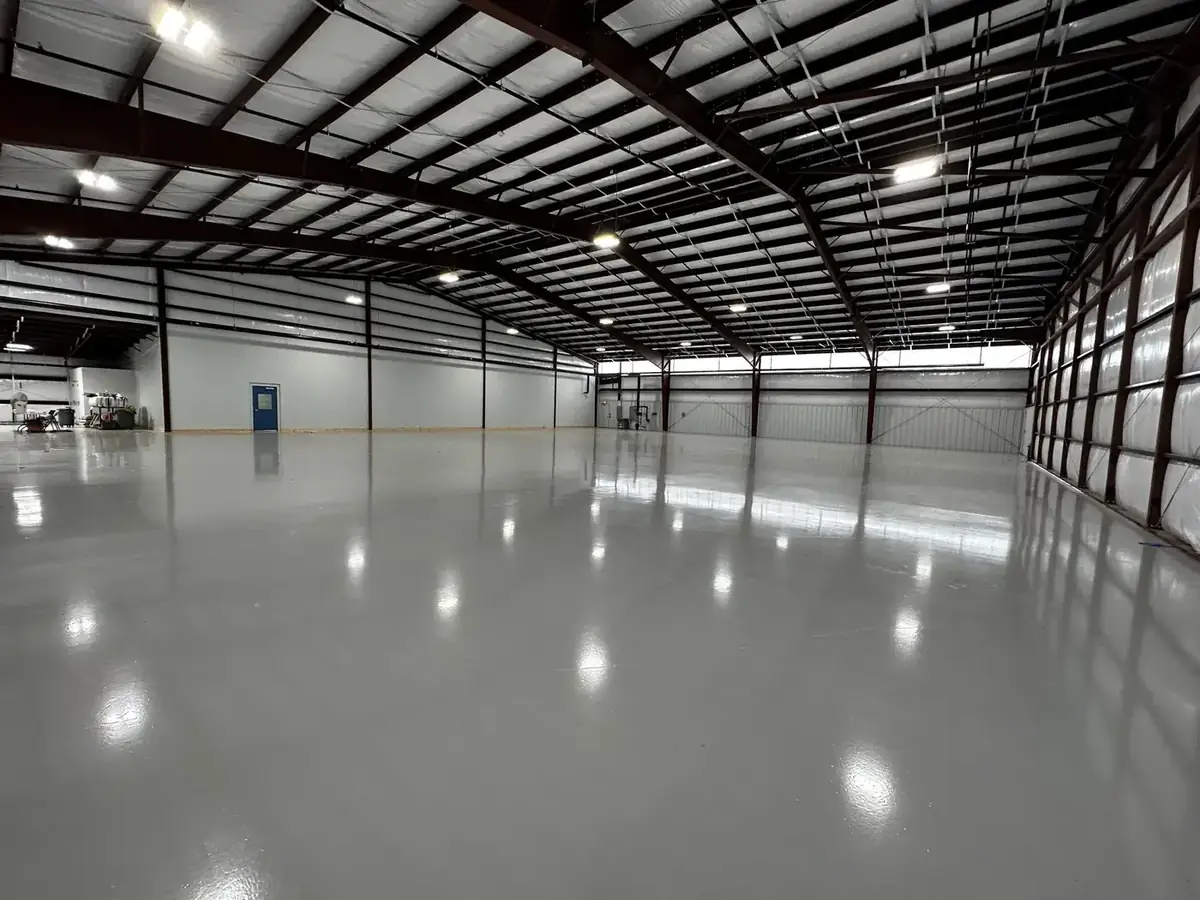
High-performance coating execution representative of demanding protective systems.
Repairs and surface preparation completed before the protective build is installed.
These systems are detail-dependent, so drawings and manufacturer requirements matter.
Sometimes, but the existing system must be compatible, sound and adequately prepared. Adhesion, contamination, wear, moisture and unknown previous materials should be evaluated before relying on the existing coating as a substrate.
The approved system detail controls. Static cracks may be treated differently from active movement or expansion joints. The project should distinguish repairable cracks from joints that require movement accommodation.
Usually some level of texture is part of pedestrian or vehicular systems, but the amount depends on traffic, slope, wet exposure, cleanability and the approved system. Texture should be intentionally specified rather than improvised at installation.
Yes, selectively. Diamond mobilizes nationally for qualified commercial and industrial protection scopes where project scale and technical execution justify deployment.
We’ll review the protection boundary, preparation needs and execution constraints.