Resinous floor systems
- Urethane cement for severe service
- High-build epoxy systems
- Urethane and polyaspartic topcoats
- Broadcast texture systems
- Cove and vertical-detail coordination

Industrial floor systems built around sanitation, washdown, thermal cycling, chemical exposure, slip resistance, production traffic and the limited shutdown windows common to food and beverage facilities.
Processing and beverage facilities combine conditions that are hard on ordinary coatings: hot and cold water, cleaning chemicals, acids, fats, oils, wheeled traffic, standing moisture, thermal cycling and aggressive sanitation routines. A system that performs in a dry warehouse may not perform in a production washdown area.
Diamond reviews the actual exposure before settling on a system build. Thickness, chemistry, texture, coving, transitions, repair details and return-to-service time should reflect how the room operates and how it gets cleaned.
Review the environment before choosing the system →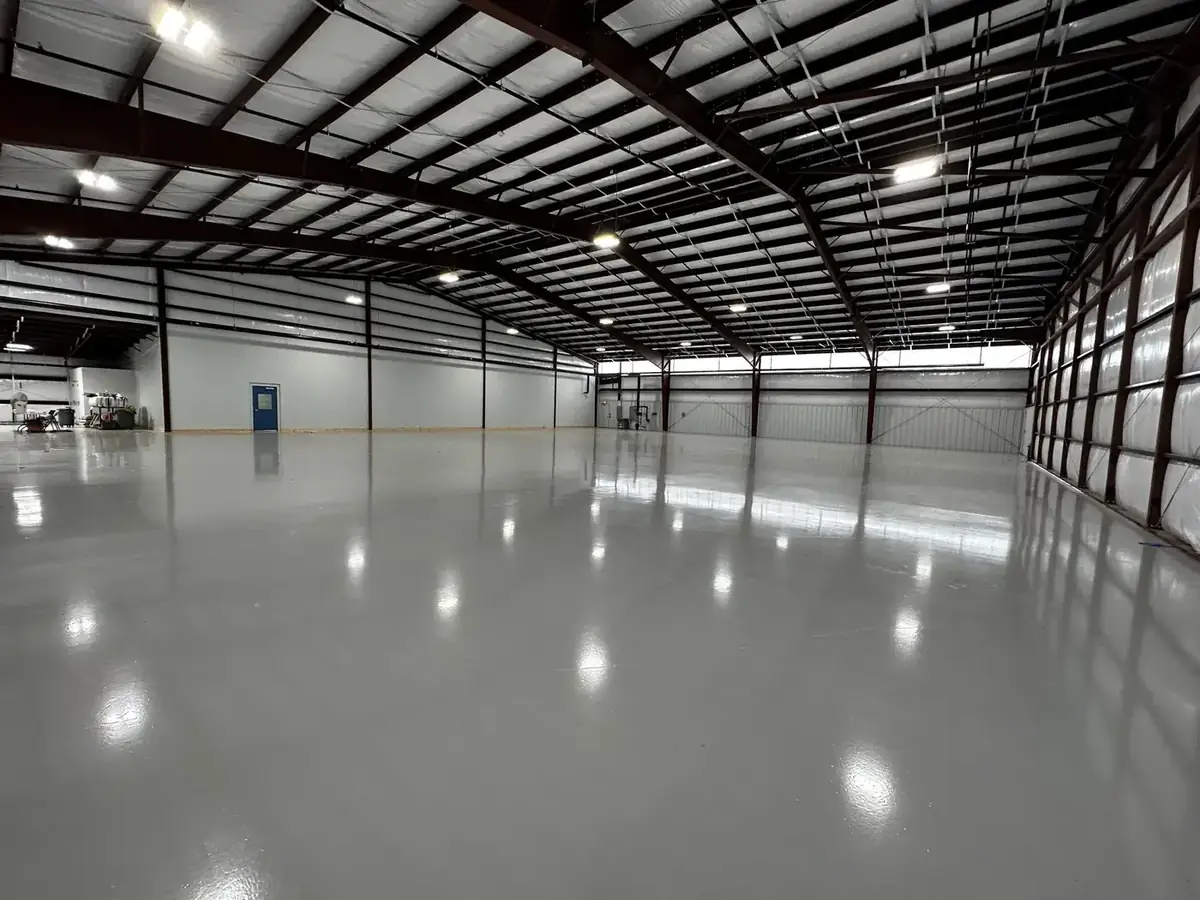
Food and beverage flooring often requires more than a generic epoxy. The system should account for temperature, moisture, chemical exposure, texture and sanitation requirements.
More texture can improve traction in wet or contaminated areas, but aggressive texture also changes how the floor cleans and how soils collect. The correct finish depends on what contaminates the floor, how employees move through the area, what cleaning equipment is used and what sanitation standard has to be maintained.
Diamond wants the owner, GC and specification to agree on that balance before the final broadcast or topcoat is installed.
Food plants often cannot simply stop production for an open-ended flooring project. Prep, installation, cure, washdown and return-to-service must fit the shutdown window. Diamond plans the work backward from when the room has to be operational again.
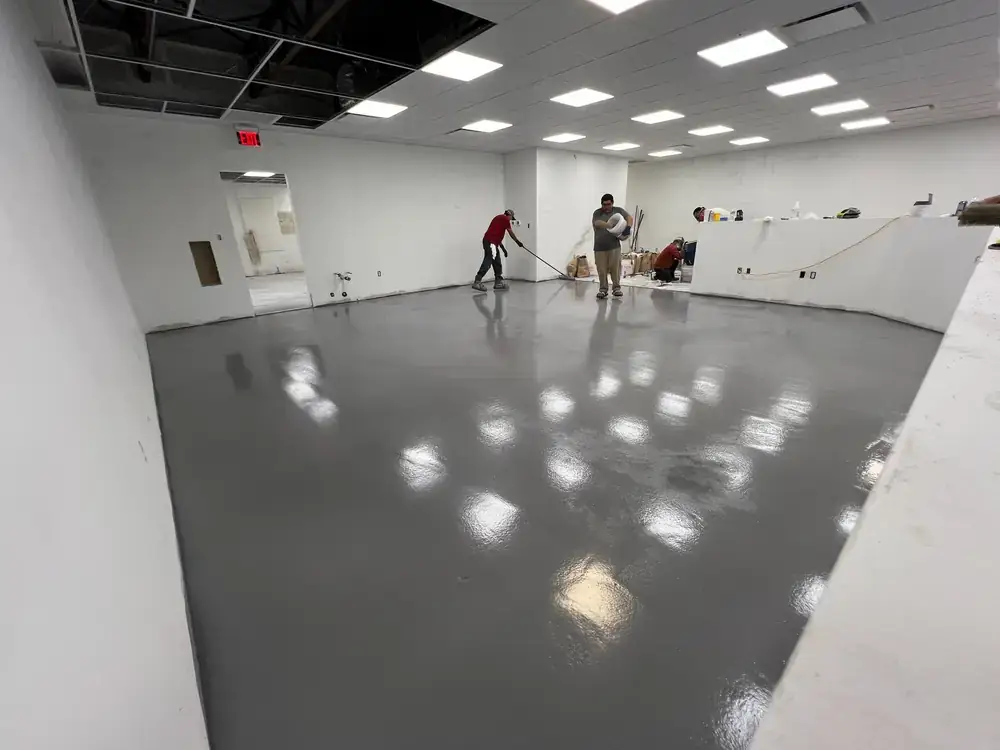
Review a Shutdown Scope →Current Diamond photography shows the resinous installation and large-area execution capability relevant to this market. Final case-study matching will continue as the project library is refined.
Resinous execution representative of demanding industrial floor conditions.
Controlled application and sequencing after mechanical preparation.
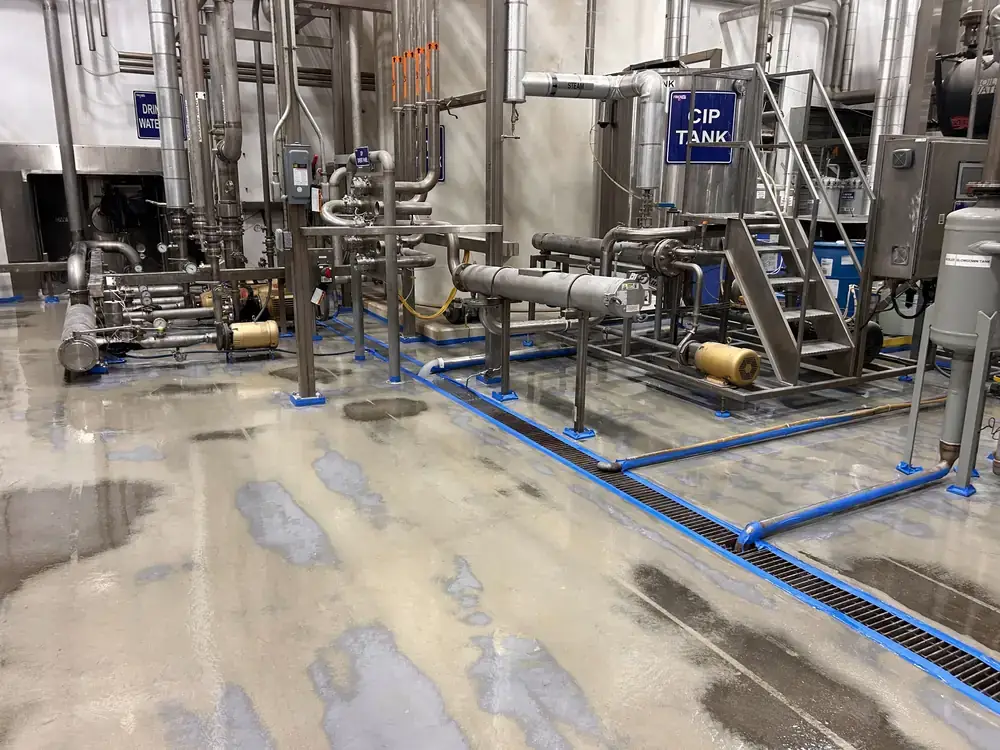
Preparation and repair remain the foundation for a durable food-processing floor.
The system should be matched to the process—not selected from a generic finish chart.
Urethane cement is often considered where thermal shock, moisture, aggressive cleaning or severe industrial exposure make conventional epoxy systems a poor fit. Final selection should follow the manufacturer’s system requirements and actual service conditions.
Often, but the available window has to include removal, preparation, repairs, installation, cure and safe return to service. Fast-cure products can help, but only when they also fit the chemical and thermal requirements of the environment.
Yes, where included in the approved system and project scope. Cove, drains, curbs, penetrations and terminations should be coordinated before production because they often control labor and sanitation performance.
Yes. Diamond is Texas-based and selectively mobilizes nationally for qualified industrial food and beverage projects where project scale and technical requirements justify deployment.
We’ll review the service conditions and help identify the system and execution path.