Joint work
- Sawcut and control-joint filling
- Construction-joint treatment
- Failed filler removal and replacement
- Joint cleaning and preparation
- Flush finishing where required
Joint filling, edge reconstruction, spall repair and crack coordination for warehouses, manufacturing, polished concrete, resinous floors and other heavy-use commercial slabs.
Construction joints, control joints and slab transitions take concentrated wheel impact and movement. Once edges begin to break, carts, forklifts and material-handling equipment can accelerate the damage. In polished and coated floors, failed joints also become visible finish defects and recurring maintenance points.
Diamond treats joints as part of the floor system. The repair approach should consider slab movement, traffic, joint condition, edge loss, existing filler and the finish around it rather than simply filling a void.
Coordinate joints before they become punch-list work →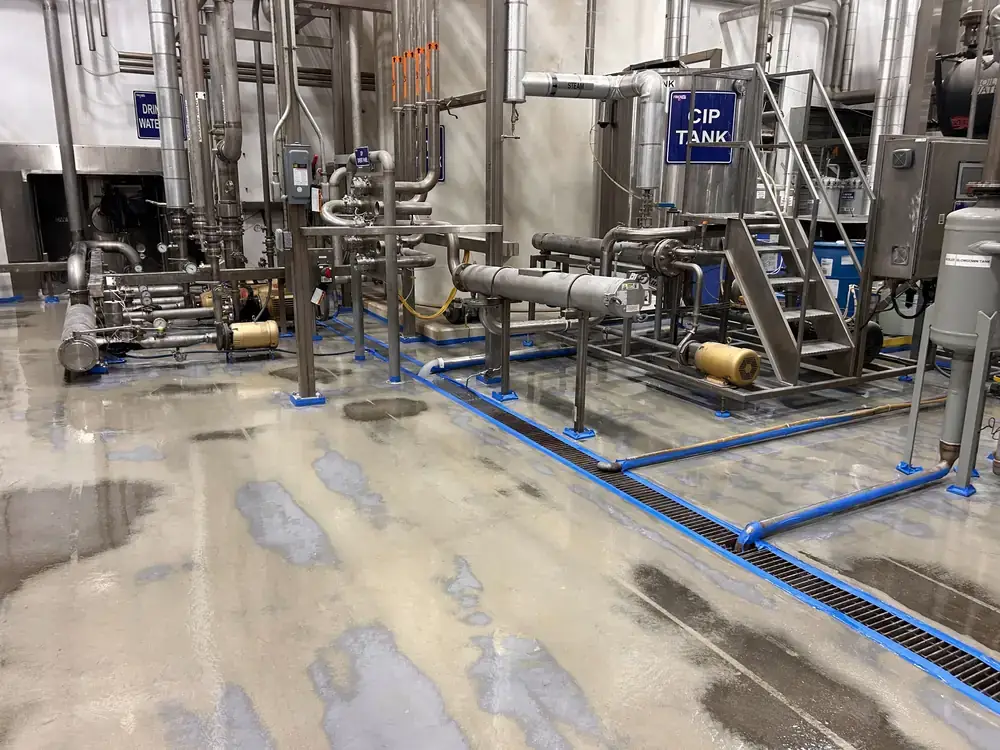
The correct treatment depends on the joint type, traffic, movement expectation and surrounding floor system.
Warehouses and manufacturing facilities can expose joints to repeated hard-wheel traffic, loaded carts, lifts and forklifts. Edge deterioration can grow quickly once impact begins. The repair needs enough support and bond to restore the travel path without creating another brittle edge beside the patch.
Diamond reviews the existing geometry and use of the area before deciding how aggressively the joint should be rebuilt and what material type belongs in the repair.
On new construction, joint filling, sawcut timing, edge damage, patching and final appearance can fall between trades if the documents are vague. On renovation, existing filler and damaged joints can become hidden extras after removal starts. Diamond prefers to identify those boundaries before production.
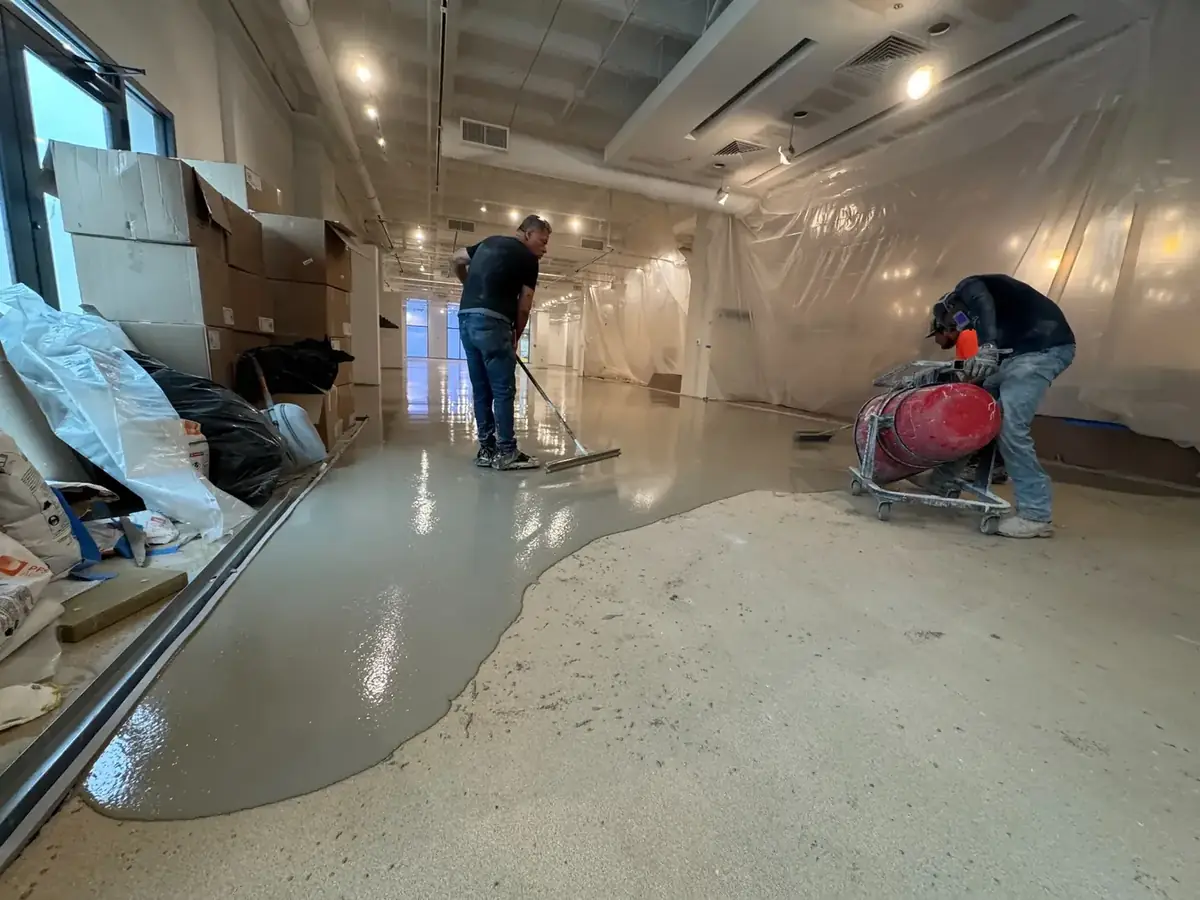
Review a Joint Scope →Current project photography shows the industrial preparation and finished-floor environments where joint quality matters. Dedicated joint case-study imagery will be added during final portfolio matching.
Heavy-use slabs where joint edges and transitions affect daily material movement.
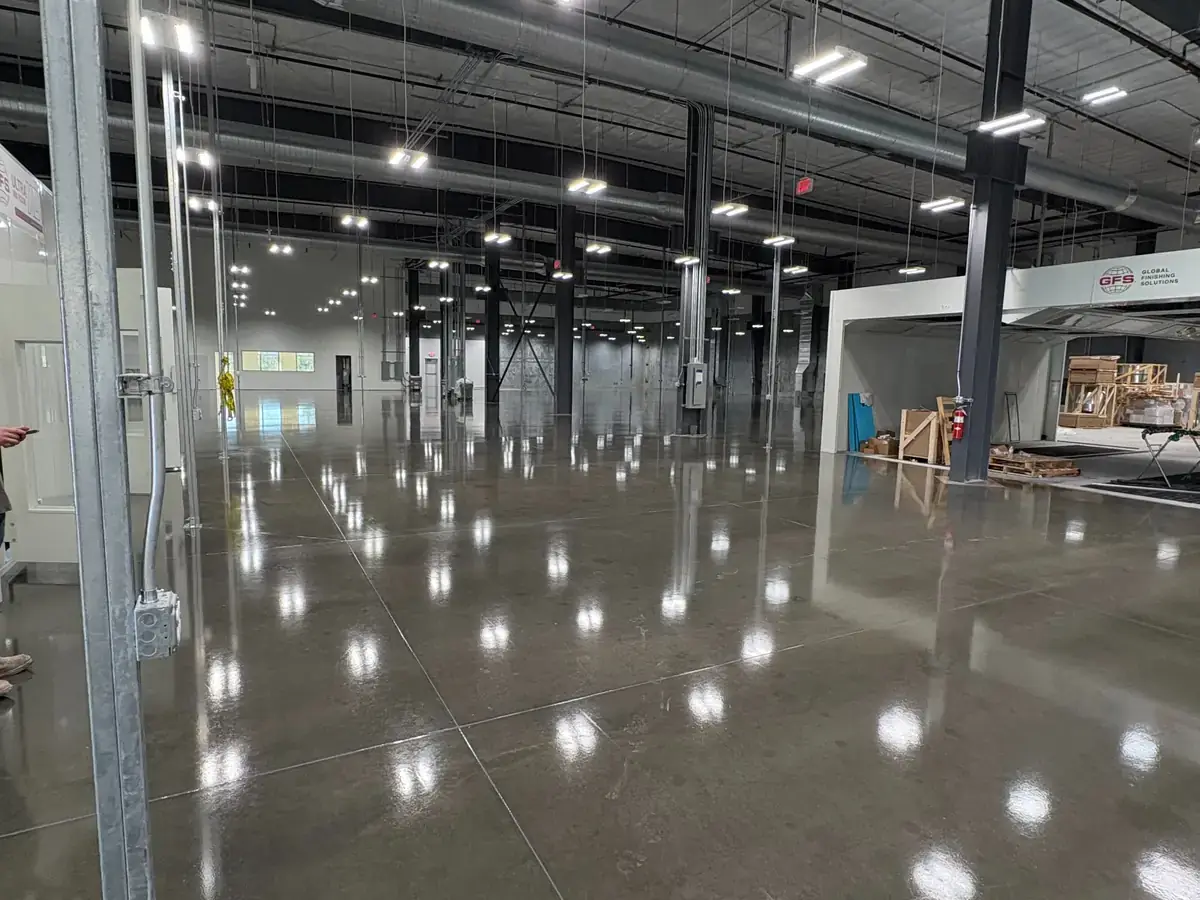
Joint treatment coordinated with large-format polished floor execution.
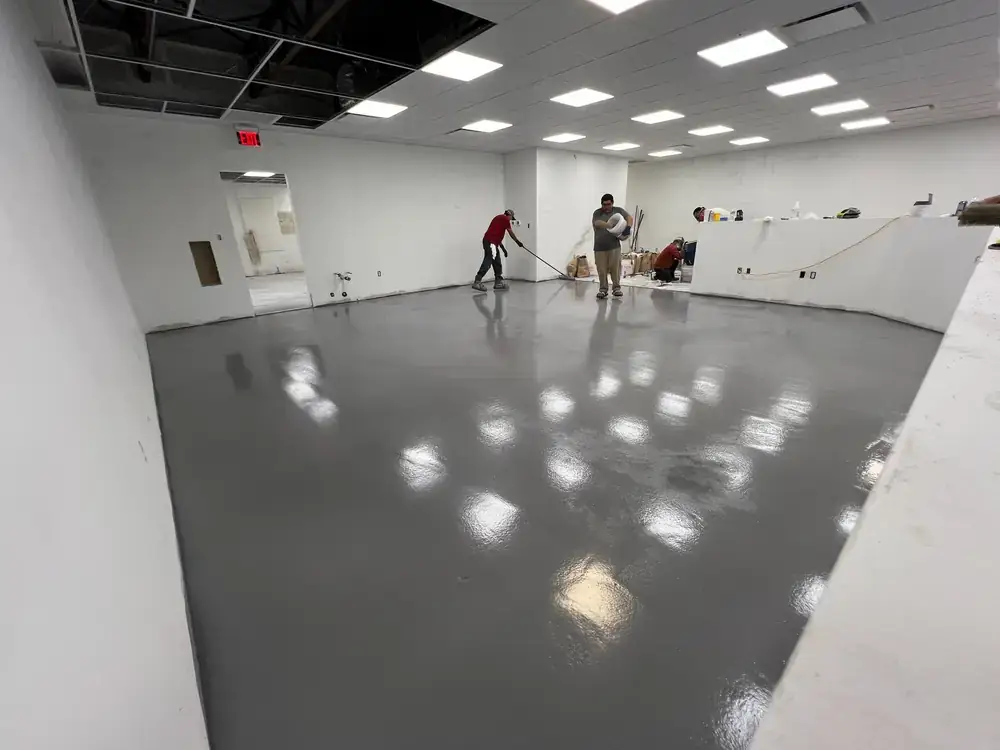
Joints, cracks and repairs coordinated before the finished resinous system is installed.
Joint repairs are most successful when the joint type and traffic are understood first.
No. Joint treatment depends on the joint’s purpose and expected movement. Some industrial control joints are filled to support edges under traffic, while true movement or isolation joints may require a different detail. The project design and joint function should guide the repair.
Often, yes. Loose or failed concrete is removed back to sound material and the edge can be reconstructed with an appropriate repair system. The geometry, depth, traffic and cure window all influence the repair approach.
Yes. Coordinating the joint work with the finish scope can reduce trade gaps and improve the final appearance. Diamond routinely considers joints, cracks and patches as part of the overall floor package.
Yes, on qualified projects. Large warehouse, manufacturing and commercial slabs are a strong fit where joint deterioration, traffic and floor performance justify a planned repair program.
We’ll help identify whether the scope is filler replacement, edge reconstruction, broader slab repair, or part of a larger flooring project.