Floor systems
- Industrial polished concrete
- Densification and burnishing programs
- Resinous floor systems where required
- Surface preparation and remediation
- Restoration / maintenance programs
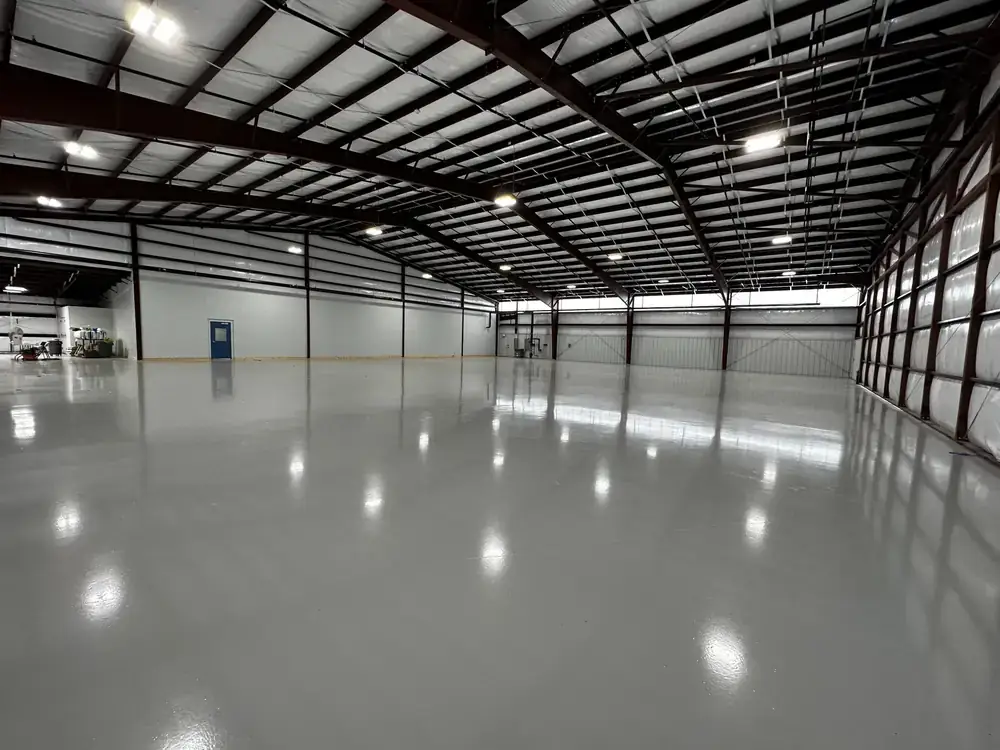
Large-format concrete floor systems built around forklift traffic, joints, automation, slab condition, maintenance, finish consistency and the production demands of distribution environments.
Warehouse and distribution floors live under constant wheel traffic, rack loading, lifts, carts and material-handling systems. Large-format floors also expose every inconsistency in joint treatment, finish control, repairs and sequencing.
Diamond plans the floor package around scale. Whether the finish is polished concrete, a resinous system, remediation or a repair program, the production method has to be repeatable while maintaining the specified acceptance criteria over a large area.
Review slab and floor risk before production →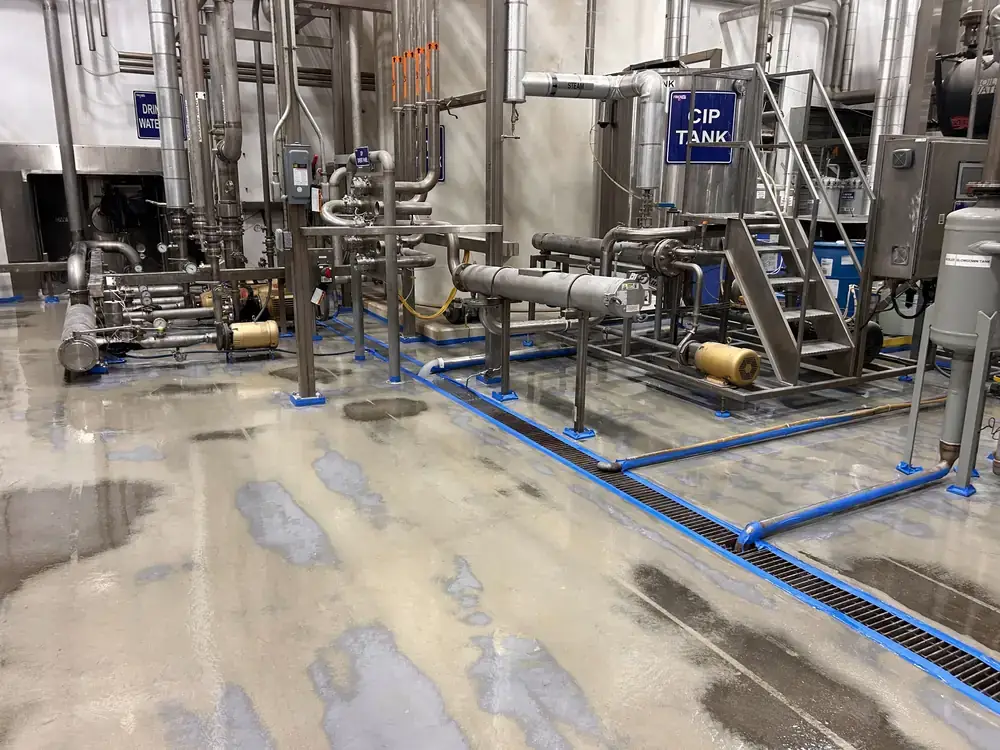
Distribution centers often combine large open slabs with high-traffic aisles, equipment zones and areas that require different performance or repair strategies.
Forklifts, hard wheels, automated equipment and repetitive travel concentrate impact at joints, patches and transitions. A floor can look acceptable at turnover and still become a maintenance problem if those details are not suited for the traffic that follows.
Diamond reviews traffic and equipment expectations alongside the finish scope so joint treatment, repairs and system selection support the operating environment rather than just the opening-day appearance.
Warehouse flooring often has to coordinate with rack installation, material handling, striping, equipment, turnover zones and other trades. Diamond builds the floor plan around access, phasing and protection so completed areas are not immediately damaged by the next activity.
Review a Warehouse Scope →This project started with an existing coating and surface repairs, then moved through a defined polished-concrete sequence for warehouse-style use. The project image below shows active processing, not a finished-floor photo.
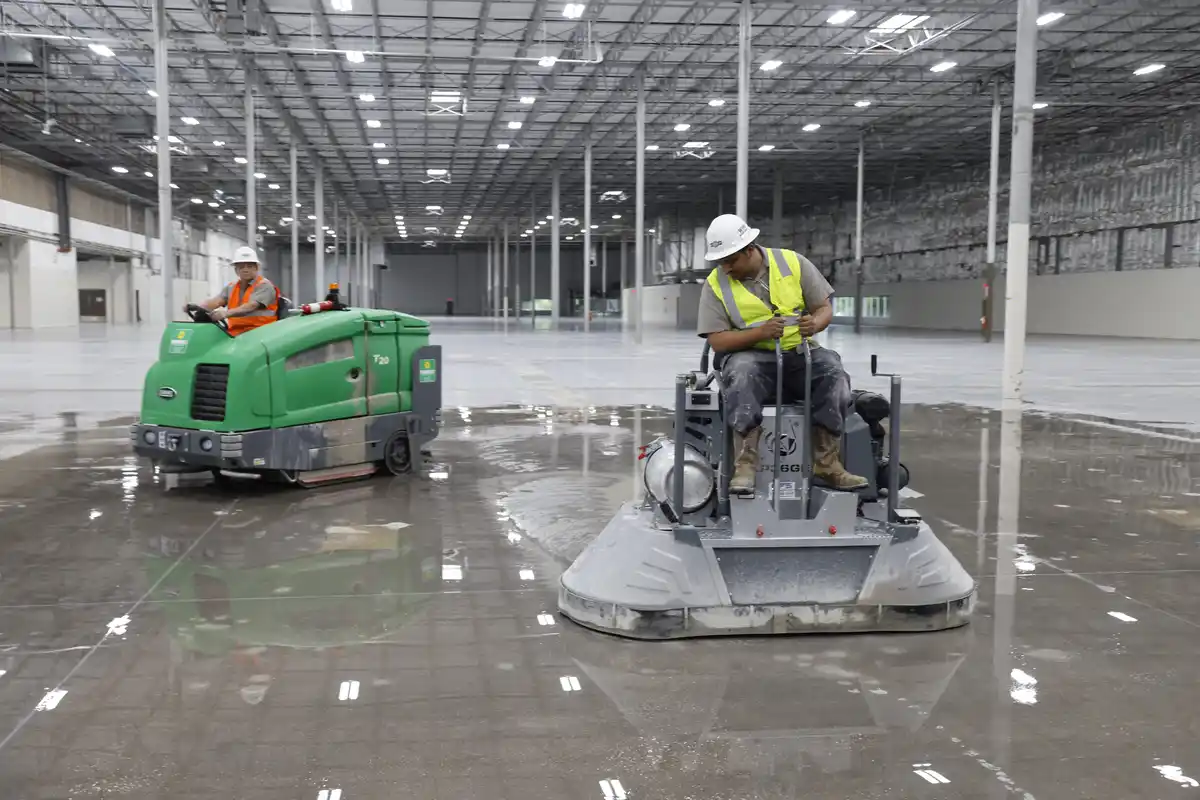
The existing floor had to be opened and corrected before polished concrete could become the finished warehouse surface.
Grinding began with 70-grit metal-bond tooling and progressed through resin-bond refinement to 400 grit.
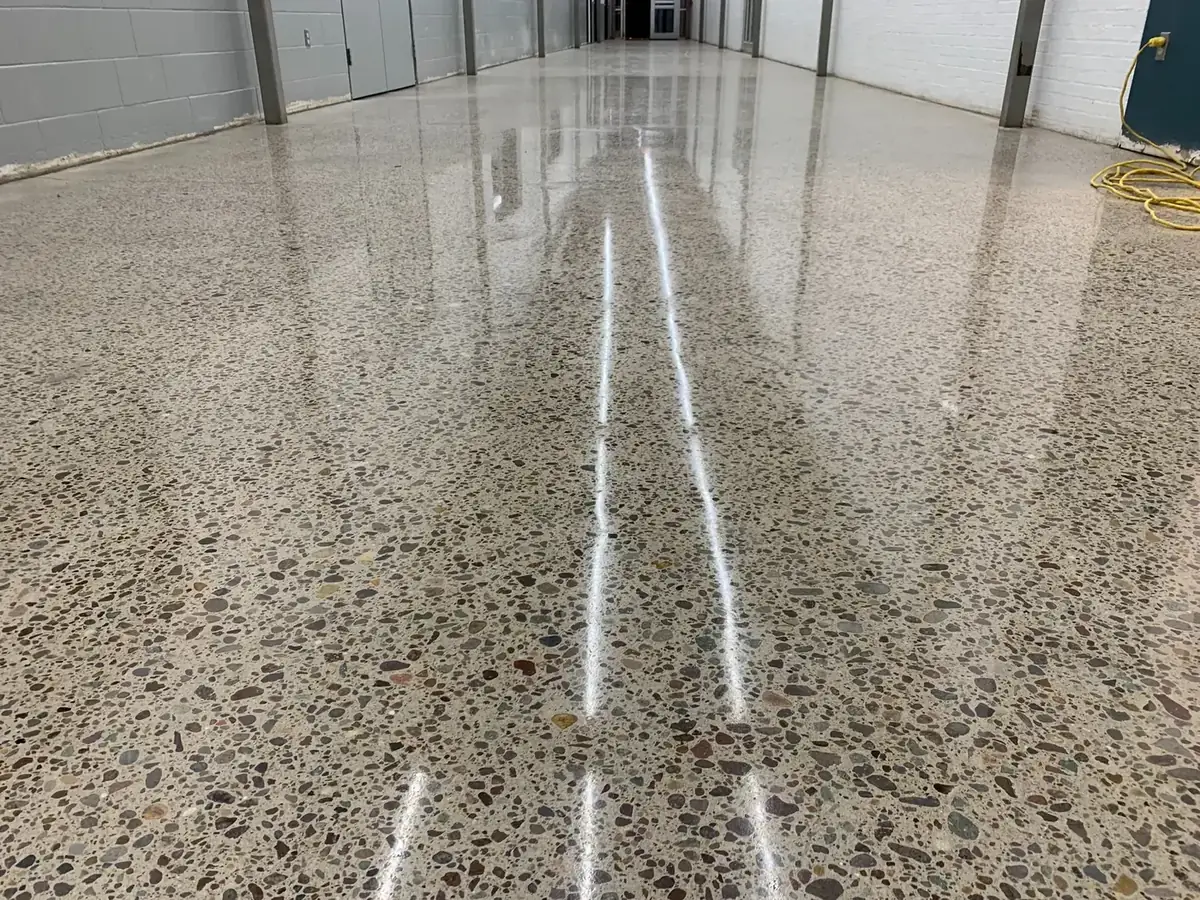
Densifier and guard completed the polished-concrete build for the intended warehouse application.
The best system depends on traffic, slab condition, maintenance and what the facility expects from the floor over time.
It can be. Polished concrete is a strong option for many warehouse and distribution facilities when the slab, chemical exposure, traffic and maintenance expectations are suitable. Joints and repair conditions should be considered as part of the decision.
Very. Repetitive hard-wheel traffic can rapidly damage unsupported or deteriorated joint edges. Joint filler, edge repair and transition details are important parts of long-term floor performance.
Often. Existing coatings, stains, contamination, cracks, joints and slab wear have to be evaluated first. The best solution may involve grinding, repair, repolishing, coating removal or a new resinous system depending on the condition and operating requirements.
Yes, selectively. National mobilization is focused on qualified commercial and industrial work where project scale, technical scope and execution requirements justify deployment.
We’ll review the floor scope and help identify the right finish, repair and execution path.